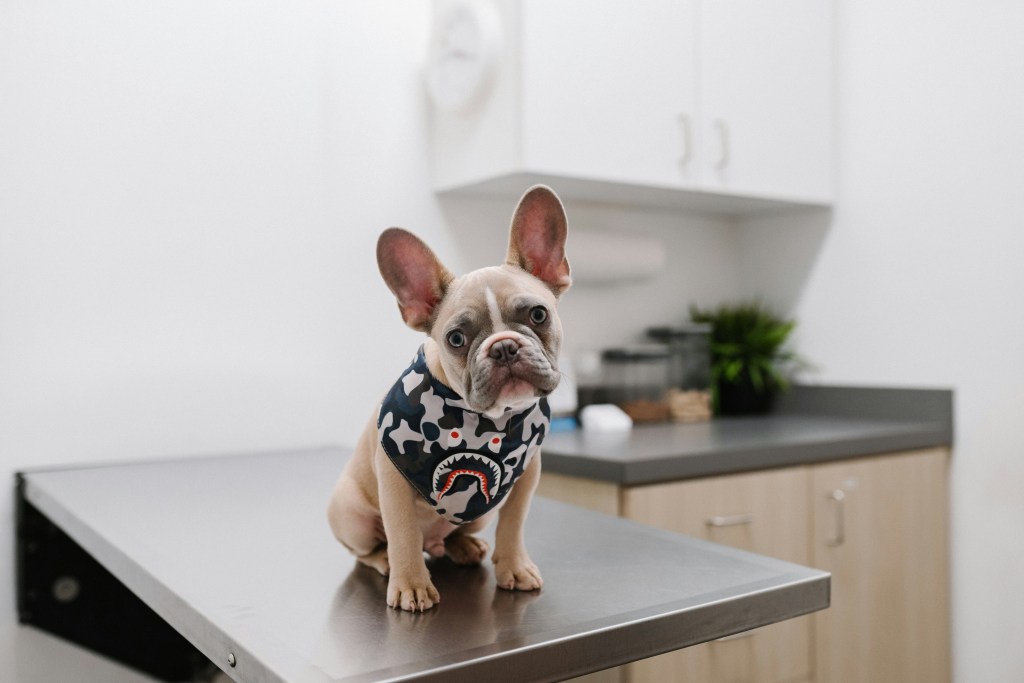
Taking your dog to the vet is an essential part of responsible pet ownership. Whether it’s a routine check-up or a visit due to health concerns, understanding what to expect can help make the experience smoother for both you and your furry companion. Here’s a breakdown of the basics of a dog vet visit to help you prepare.
Scheduling and Preparing for the Visit
Before heading to the vet, schedule an appointment in advance, especially if your dog has specific health concerns. Be sure to bring any medical records, a list of medications your pet takes, and any questions you may have. If your dog gets anxious, consider bringing their favorite toy or treats to provide comfort during the visit.
The Check-In Process
Upon arrival, you will check in at the front desk, where the staff may ask for basic information about your dog’s health and behavior. If this is your dog’s first visit, the clinic might require paperwork regarding vaccinations and medical history. Some clinics also allow online check-ins to streamline the process.
Physical Examination and Consultation
Once in the exam room, the veterinarian will perform a thorough physical check-up. This typically includes checking your dog’s weight, temperature, heart rate, skin condition, teeth, ears, and eyes. The vet may also ask about your dog’s diet, behavior, and exercise routine to get a full picture of their overall health.
Vaccinations and Preventative Care
Depending on your dog’s age and medical history, the vet may administer vaccinations or recommend flea, tick, and heartworm prevention. Routine bloodwork or other diagnostic tests might be conducted if necessary. Keeping up with preventative care is crucial for your dog’s long-term health.
Discussing Concerns and Treatment Plans
If your dog is experiencing any health issues, this is the time to discuss symptoms and potential treatments. The veterinarian may suggest further testing, dietary changes, or medications. Be sure to ask questions and take notes so you can follow the recommended care plan effectively.
Wrapping Up the Visit
After the examination, the vet will summarize the findings and provide instructions for any follow-up care. You will check out at the front desk, where you can schedule future appointments and settle any payments. If medications are prescribed, be sure to understand the dosage and administration guidelines before leaving.
Final Thoughts
Regular vet visits play a vital role in maintaining your dog’s health and catching potential issues early. By staying informed and prepared, you can help ensure a positive experience for both you and your pet. A well-cared-for dog is a happy and healthy companion for years to come!
 The Wise Vet
Leave a comment