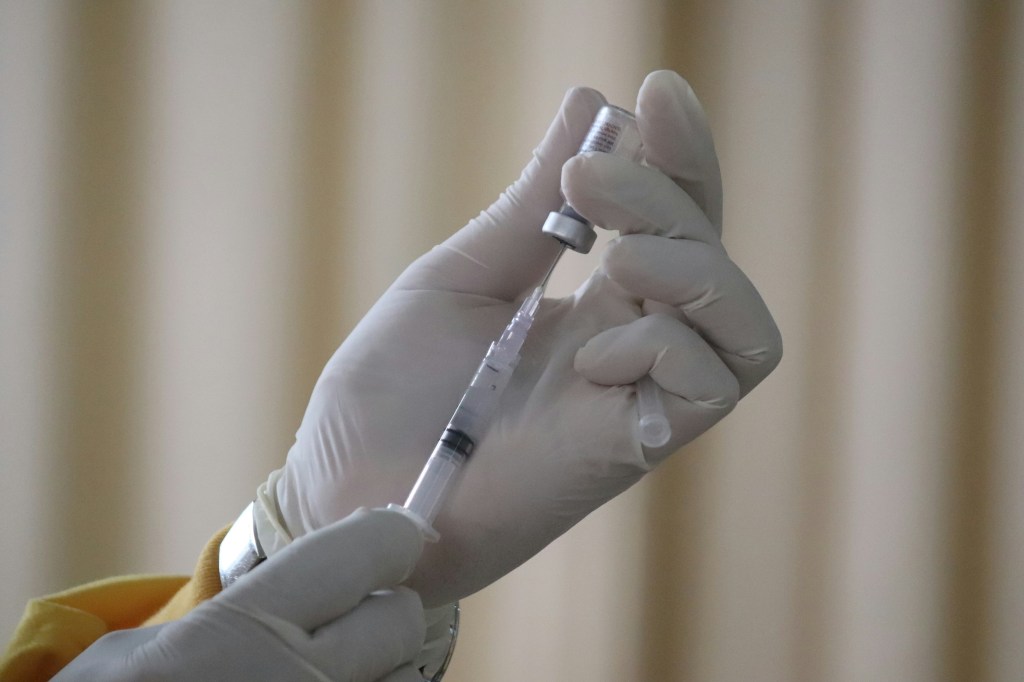
Vaccinations are a crucial part of keeping your dog healthy and protecting them from serious diseases. Understanding which vaccines your dog needs, when they should receive them, and what to expect afterward can help you provide the best care for your furry friend. In this guide, we’ll cover the essential vaccines, recommended schedules, common side effects, and how to manage them.
Core and Non-Core Vaccines
Vaccines for dogs fall into two categories:
- Core vaccines: Essential for all dogs to protect against widespread, potentially fatal diseases.
- Non-core vaccines: Recommended based on lifestyle, environment, and risk factors.
Vaccination Schedule
The following schedule provides general guidelines for when dogs should receive vaccinations:
Puppy Vaccination Schedule
- 6-8 weeks:
- Distemper, Hepatitis, Parvovirus, Parainfluenza (DHPP)
- Bordetella (optional, depending on exposure risk)
- 10-12 weeks:
- DHPP booster
- Leptospirosis (if recommended)
- Bordetella (if not given earlier)
- 14-16 weeks:
- DHPP final booster
- Rabies (required by law in most areas)
- Leptospirosis (booster if needed)
- Canine Influenza (if recommended)
Adult Dog Vaccination Schedule
- 1 year:
- DHPP booster
- Rabies booster
- Leptospirosis, Bordetella, and Canine Influenza (if needed)
- Every 1-3 years:
- DHPP (depending on vet’s recommendation)
- Rabies (as required by law)
- Leptospirosis, Bordetella, and Canine Influenza (based on exposure risk)
Vaccine Side Effects
Vaccinations are generally safe, but some dogs may experience mild side effects, including:
- Soreness at the injection site
- Mild fever
- Lethargy
- Temporary loss of appetite
- Sneezing or nasal discharge (common with intranasal vaccines)
Rare but serious reactions include swelling of the face, vomiting, diarrhea, or difficulty breathing. If you notice these symptoms, seek veterinary care immediately.
Managing Vaccine Side Effects
- Provide a comfortable, quiet resting space for your dog after vaccination.
- Offer fresh water and encourage light eating if they seem sluggish.
- Use a cool compress on the injection site if soreness persists.
- Monitor for signs of an allergic reaction and contact your vet if symptoms worsen.
Final Thoughts
Vaccinations are a vital part of preventative healthcare, keeping your dog safe from life-threatening diseases. Sticking to a proper vaccine schedule and staying informed about potential side effects ensures your pet stays protected and healthy. If you have any concerns about your dog’s vaccination needs, consult your veterinarian to develop a plan that best suits your dog’s lifestyle and health requirements.
 The Wise Vet