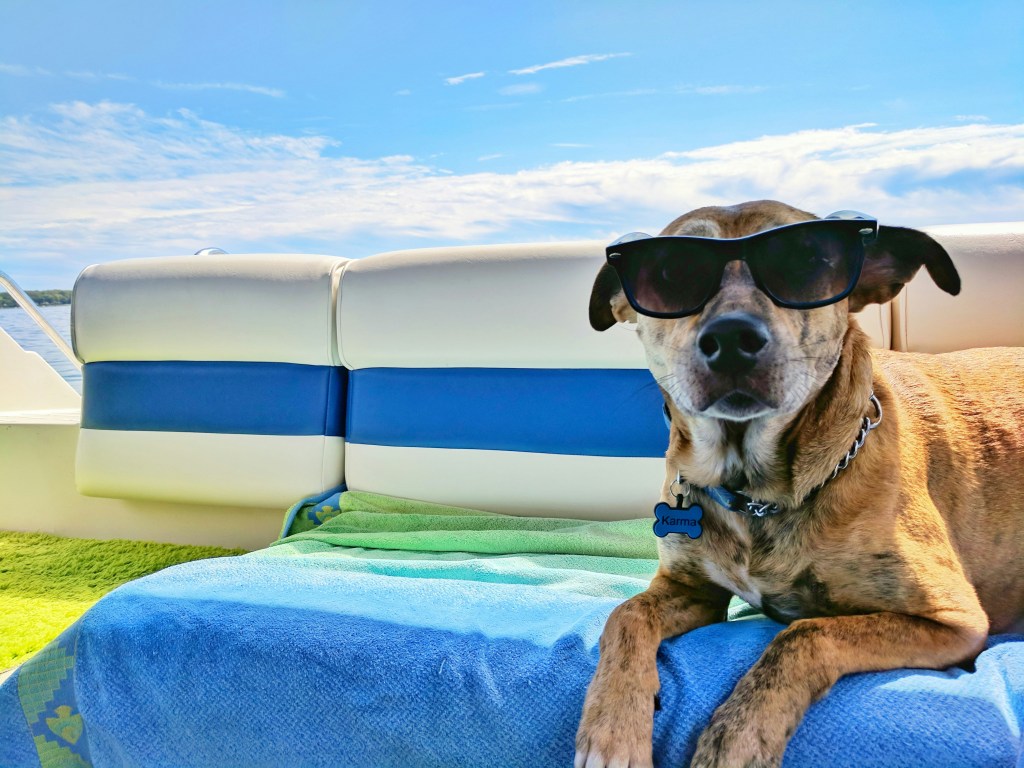
Dogs, like humans, can experience anxiety. Whether it’s triggered by separation, loud noises, or unfamiliar situations, anxiety can cause distress for your dog and impact their overall well-being. As a pet owner, understanding the signs of anxiety and knowing how to manage it effectively is key to improving your dog’s quality of life. This guide covers common causes of anxiety in dogs, symptoms to watch for, and effective strategies to manage and alleviate anxiety.
Common Causes of Dog Anxiety
- Separation Anxiety: Separation anxiety occurs when dogs become overly distressed when left alone. It’s one of the most common forms of anxiety in dogs and can manifest in destructive behavior, vocalization, and house soiling.
- Noise Anxiety: Dogs with noise anxiety are afraid of loud sounds like thunderstorms, fireworks, or even household appliances like vacuums. This can result in trembling, hiding, and destructive behavior.
- Fear of New Environments or People: Some dogs may feel anxious in unfamiliar environments or when meeting new people. This could lead to excessive barking, growling, or retreating.
- Travel Anxiety: Car rides or long trips can trigger anxiety in some dogs, often due to motion sickness, unfamiliar sights and sounds, or past negative experiences.
- Health-Related Anxiety: Physical discomfort from illness or injury can also lead to anxiety. If your dog is suddenly anxious or restless, it’s worth considering a veterinary checkup to rule out medical causes.
Signs of Dog Anxiety
Recognizing the signs of anxiety in dogs is crucial for addressing the issue. While each dog is different, some common symptoms include:
- Excessive barking, whining, or howling
- Destructive behavior (e.g., chewing furniture or scratching doors)
- Pacing or restlessness
- Trembling or shaking
- Excessive drooling or panting
- Loss of appetite
- Accidents inside the house (even if your dog is normally house-trained)
- Hiding or seeking solitude
- Aggression or fear-based behaviors
If you notice any of these signs, it’s important to determine the cause and seek appropriate solutions.
Managing and Reducing Dog Anxiety
- Provide a Safe Space: A designated quiet space, such as a crate or a cozy bed in a calm room, can offer comfort to an anxious dog. Make sure it’s an area where your dog can retreat to when feeling overwhelmed. Adding familiar items, such as their favorite blanket or toy, can help create a calming environment.
- Gradual Desensitization: For separation anxiety or fear of specific triggers (e.g., car rides or loud noises), gradual desensitization can help. This involves slowly exposing your dog to the anxiety-provoking situation in controlled doses, rewarding calm behavior along the way. Over time, this can reduce their sensitivity to the trigger.
- Counterconditioning: This technique involves changing your dog’s emotional response to a trigger. For example, if your dog is scared of thunderstorms, you might pair the sound of thunderstorms with positive experiences, such as treats or playtime. Over time, your dog may begin to associate the trigger with something pleasant.
- Exercise and Mental Stimulation: Regular physical activity and mental challenges (such as puzzle toys, training sessions, or scent games) can help reduce anxiety. Dogs that are physically tired and mentally engaged are less likely to feel restless or anxious.
- Behavioral Training: Training and consistency can help build your dog’s confidence and reduce anxiety. Basic obedience commands, crate training, and positive reinforcement can help establish a sense of security and routine.
- Consider Natural Remedies: Some natural remedies, such as calming pheromone diffusers (like Adaptil) or herbal supplements (e.g., valerian root or CBD oil), can provide relief for mild anxiety. Always consult your veterinarian before introducing any new products or supplements.
- Desensitize to Car Rides: If your dog suffers from travel anxiety, start by taking short, positive car rides, even without a destination. Gradually increase the length of the rides, rewarding calm behavior with treats and praise.
- Consult with a Veterinarian: If your dog’s anxiety is severe or persistent, it may be time to consult with a veterinarian. In some cases, medication may be prescribed to help manage anxiety, particularly if it’s affecting your dog’s quality of life. Your vet may also recommend behavioral therapy or refer you to a professional dog trainer with experience in anxiety management.
- Try Calming Music or TV: Some dogs find comfort in calming music or videos designed for pets. These can help mask triggering sounds like thunderstorms or fireworks. There are even specific pet relaxation playlists and DVDs designed to soothe anxious dogs.
- Avoid Punishment: Never punish your dog for anxious behaviors. Anxiety is not a behavior issue that can be corrected with punishment. Instead, focus on positive reinforcement and offering comfort and security.
When to Seek Professional Help
While many cases of dog anxiety can be managed at home, there are situations where professional help is necessary. If your dog’s anxiety is severe, causes harm to themself or others, or doesn’t improve with at-home strategies, it’s time to seek the help of a veterinarian or a professional dog trainer. They can help identify the root cause of the anxiety and recommend a comprehensive treatment plan.
Final Thoughts
Dog anxiety is a common issue that many pet owners face, but with the right strategies, it can be managed and alleviated. Whether it’s separation anxiety, noise phobia, or anxiety caused by medical conditions, addressing the issue early can make a significant difference in your dog’s well-being. By providing a calm, safe environment, offering consistent training, and seeking professional help when needed, you can help your dog feel more relaxed and secure. If you ever have concerns about your dog’s anxiety, don’t hesitate to reach out to your veterinarian for guidance and support.
 The Wise Vet
Leave a comment