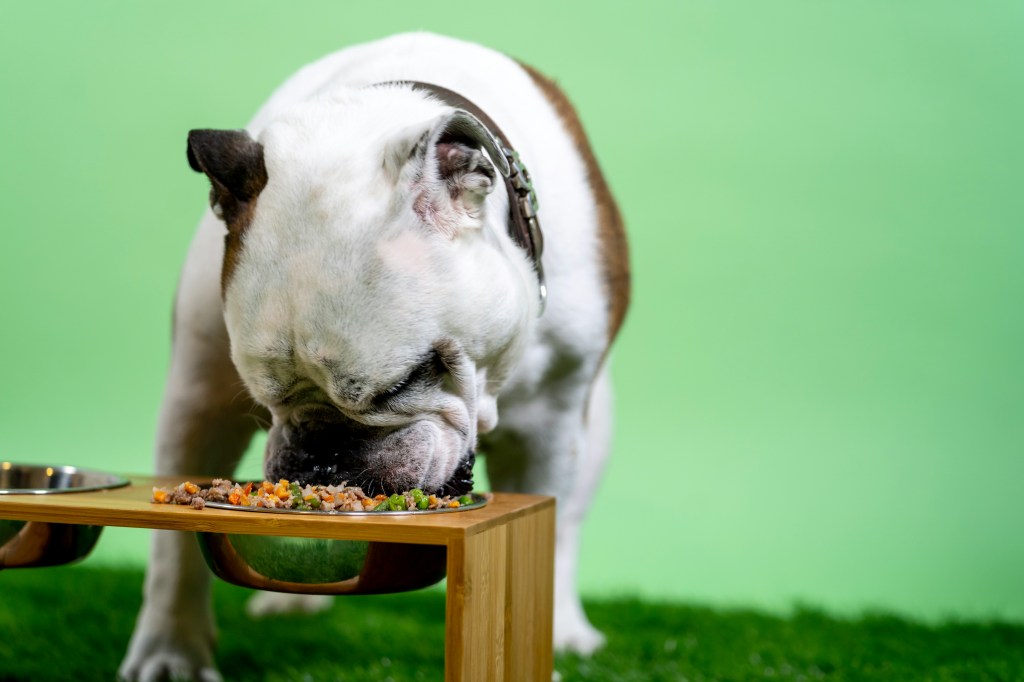
Food allergies are a common yet often misunderstood health issue for dogs. They can lead to a variety of symptoms, including skin irritation, digestive upset, and more, making it difficult for pet owners to identify the underlying cause. Understanding food allergies in dogs is key to managing and treating the condition, helping your pet feel better and live a healthy, happy life. In this blog post, we’ll explore the causes of food allergies, common symptoms, and how to manage your dog’s food sensitivities.
What Are Food Allergies in Dogs?
Food allergies occur when a dog’s immune system mistakenly identifies a certain protein or ingredient in their food as harmful. As a result, the body produces antibodies against that food component, leading to an allergic reaction. Unlike food intolerances, which may cause digestive upset without an immune response, food allergies involve the immune system and can result in more severe symptoms.
It’s important to note that food allergies are relatively rare in dogs. However, they can develop at any age and are typically more common in certain breeds, such as the Boxer, Dalmatian, and German Shepherd.
Common Symptoms of Food Allergies in Dogs
Food allergies can affect dogs in several ways, and the symptoms can vary from mild to severe. Here are the most common signs that your dog may have a food allergy:
1. Skin Problems
Skin reactions are the most common symptom of food allergies. Dogs with food allergies may experience:
- Itchy skin, especially around the paws, ears, face, and belly
- Red, inflamed, or irritated skin
- Hot spots (moist, inflamed patches of skin)
- Hair loss due to excessive scratching or licking
- Ear infections (often with a yeast-like odor)
2. Digestive Issues
Some dogs with food allergies experience gastrointestinal symptoms such as:
- Vomiting
- Diarrhea or loose stools
- Flatulence or excessive gas
- Lack of appetite
3. Chronic Infections
Repeated ear infections, skin infections, or respiratory infections can also be signs of food allergies, as the immune system becomes compromised.
4. Behavioral Changes
In some cases, food allergies may cause your dog to feel uncomfortable, leading to changes in behavior. These changes may include restlessness, excessive licking or biting, and irritability.
Common Ingredients That Cause Food Allergies
While dogs can be allergic to many types of food, some ingredients are more commonly associated with food allergies than others. The most common allergens in dog food include:
- Proteins: Beef, chicken, lamb, pork, and fish are frequent culprits. However, food allergies to these proteins often develop after your dog has eaten the same protein over time, which can lead to sensitization.
- Grains: Wheat, corn, and soy are common ingredients in many dog foods and can cause allergic reactions in some dogs.
- Dairy: Some dogs are lactose intolerant, but they can also have true food allergies to dairy, leading to digestive upset and skin irritation.
- Artificial Additives: Some artificial preservatives, colors, and flavorings found in dog foods can trigger allergic reactions in sensitive dogs.
How to Diagnose Food Allergies in Dogs
Diagnosing food allergies in dogs can be a challenge because the symptoms can overlap with other health conditions, such as fleas, infections, or other allergies (like environmental allergens). If you suspect that your dog may have food allergies, here’s how you can proceed:
- Veterinary Evaluation: Schedule a visit with your veterinarian to rule out other causes of your dog’s symptoms. Your vet will likely perform a thorough physical exam and may recommend tests to identify infections, parasites, or other conditions.
- Elimination Diet: The gold standard for diagnosing food allergies in dogs is an elimination diet. This involves feeding your dog a special diet with limited ingredients that they’ve never had before (such as a novel protein and carbohydrate). The elimination diet usually lasts for about 8-12 weeks. During this time, you’ll monitor your dog for any improvements in their symptoms.
- Reintroduction Phase: After the elimination phase, your vet will guide you in gradually reintroducing common allergens back into your dog’s diet to see if any cause a reaction. This process helps pinpoint the specific ingredient causing the allergic reaction.
- Blood or Skin Testing: Although less common and not always accurate, some veterinarians may recommend blood tests or skin tests to help identify specific food allergens. However, the elimination diet is typically considered more reliable for diagnosing food allergies.
Managing Food Allergies in Dogs
Once your dog’s food allergies have been diagnosed, the next step is management. This usually involves avoiding the allergens that trigger your dog’s symptoms. Here are some key steps to managing your dog’s food allergies:
1. Switch to Hypoallergenic Dog Food
After identifying the allergens, your vet may recommend switching to a hypoallergenic dog food that doesn’t contain the problematic ingredient. Some options include:
- Novel protein diets: Foods made with proteins your dog hasn’t eaten before, such as venison, duck, or kangaroo.
- Hydrolyzed protein diets: In these diets, proteins are broken down into smaller molecules that are less likely to trigger an immune response.
2. Avoid Treats with Common Allergens
Many dog treats contain ingredients that could trigger allergies, such as chicken, beef, or grains. Be sure to choose treats that are free of allergens and made with safe ingredients.
3. Read Labels Carefully
Always read the ingredient labels on dog food and treats to ensure they don’t contain ingredients your dog is allergic to. Opting for a limited-ingredient diet can help simplify this process.
4. Monitor for Symptoms
Even with dietary changes, some dogs may experience flare-ups or lingering symptoms. Regularly monitor your dog’s skin and digestive health to ensure the allergies are under control. If symptoms persist or worsen, follow up with your veterinarian for further guidance.
Medications for Food Allergies in Dogs
In some cases, managing food allergies may require the use of medications, particularly if your dog’s symptoms are severe or persistent. Your vet may prescribe:
- Antihistamines: These can help reduce itching and inflammation.
- Steroids: For more severe allergic reactions, short courses of steroids may be used to reduce inflammation.
- Antibiotics: If your dog has developed secondary bacterial infections due to excessive scratching, antibiotics may be necessary.
However, medication should always be used in conjunction with a proper diet to manage food allergies long-term.
Final Thoughts
Food allergies can be a frustrating and confusing issue for both dogs and their owners. However, with proper diagnosis and management, your dog can live comfortably without the discomfort and irritation caused by food allergies. If you suspect your dog has food allergies, it’s essential to work closely with your veterinarian to identify the triggers and create a tailored treatment plan. By switching to a hypoallergenic diet and avoiding allergens, you can help your dog lead a happier, healthier life.
 The Wise Vet
Leave a comment