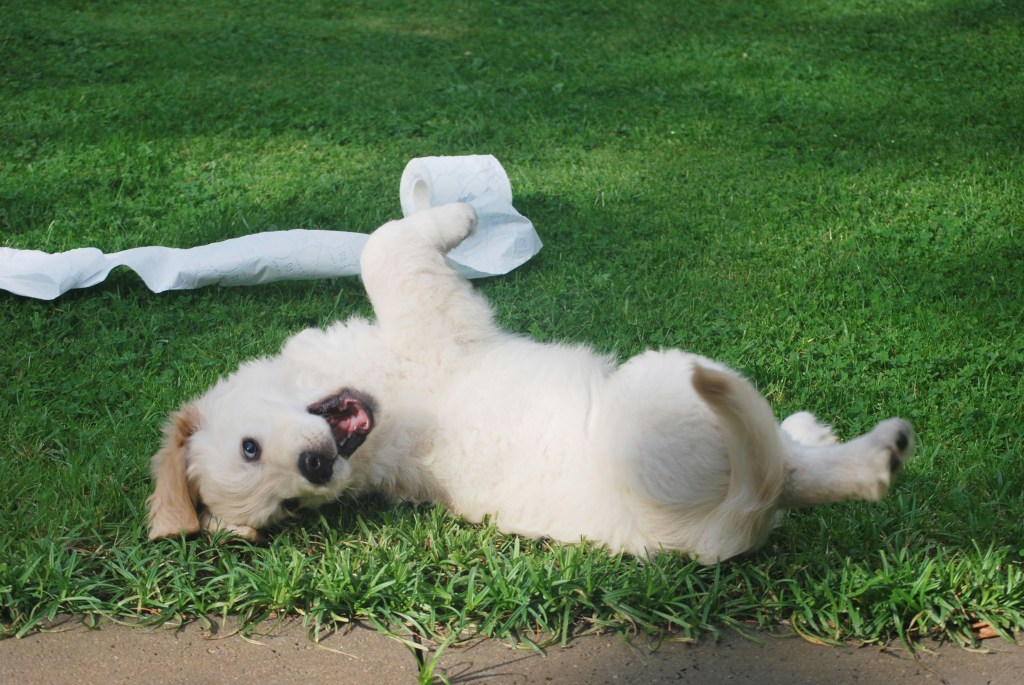
Diarrhea is a common issue in dogs, and while it’s usually not a cause for major concern, it can sometimes indicate a more serious health problem. Pet owners may notice loose or watery stools, which can be accompanied by other symptoms like vomiting, lethargy, or loss of appetite. In this blog post, we’ll explore the potential causes of diarrhea in dogs, how to manage it, and when to seek veterinary help.
What Causes Diarrhea in Dogs?
Diarrhea in dogs can be caused by a variety of factors. The causes generally fall into one of two categories: acute or chronic. Acute diarrhea develops suddenly and lasts for a short time, while chronic diarrhea persists over weeks or months. Here are some common causes of diarrhea in dogs:
1. Dietary Changes or Sensitivities
- Food changes: A sudden change in diet, especially introducing new food or treats too quickly, can upset your dog’s digestive system and lead to diarrhea.
- Food allergies or intolerances: Dogs may be allergic to certain ingredients, such as grains, dairy, or specific proteins, which can cause gastrointestinal upset.
- Overeating: Eating too much food or consuming something they shouldn’t, like garbage or table scraps, can overwhelm your dog’s digestive system and result in diarrhea.
2. Infections
- Bacterial infections: Bacteria like Salmonella or E. coli can cause gastrointestinal upset and diarrhea.
- Viral infections: Parvovirus, distemper, and other viral infections can lead to diarrhea, often accompanied by vomiting, fever, and lethargy.
- Parasites: Intestinal parasites such as giardia, roundworms, hookworms, and whipworms can cause diarrhea, especially in puppies or dogs that are not on a regular parasite prevention plan.
3. Stress
Stress is another common cause of diarrhea in dogs. Changes in environment, travel, boarding, or introducing new family members (human or animal) can cause temporary digestive upset, leading to diarrhea.
4. Inflammatory Bowel Disease (IBD)
Chronic diarrhea, often accompanied by weight loss or vomiting, can be a sign of Inflammatory Bowel Disease (IBD), a condition where the intestinal lining becomes inflamed. IBD can require medical treatment, including dietary changes and medications.
5. Toxins and Poisons
If your dog ingests something toxic, such as certain plants, chemicals, or human foods (like chocolate or xylitol), diarrhea can be a symptom of poisoning. Immediate veterinary attention is necessary if you suspect your dog has ingested something harmful.
6. Medication Side Effects
Certain medications, including antibiotics, can disrupt the balance of gut bacteria and cause diarrhea. If your dog has recently started a new medication, speak with your vet to see if it could be the cause.
7. Organ Disease
Conditions affecting the pancreas (such as pancreatitis), liver, or kidneys can lead to gastrointestinal symptoms, including diarrhea. If diarrhea is persistent and accompanied by other signs such as vomiting or jaundice (yellowing of the skin or eyes), it’s important to consult a vet.
Signs to Watch for in Addition to Diarrhea
Diarrhea alone may not always indicate a serious problem, but when combined with other symptoms, it’s time to seek veterinary advice. Some signs to watch out for include:
- Vomiting
- Loss of appetite
- Lethargy or weakness
- Abdominal pain or bloating
- Blood or mucus in the stool
- Dehydration (indicated by dry gums, sunken eyes, and loss of skin elasticity)
How to Treat Diarrhea in Dogs
Treatment for diarrhea in dogs depends on the underlying cause, the severity of the symptoms, and the dog’s overall health. In many cases, diarrhea is short-lived and can be managed at home with some simple steps:
1. Fasting (for 12-24 hours)
If your dog is an adult and otherwise healthy, fasting can give their digestive system a break and allow it to recover. Make sure to provide fresh water to prevent dehydration, but refrain from giving food for up to 24 hours. For puppies or senior dogs, consult your vet before fasting.
2. Gradual Reintroduction of Food
After the fasting period, begin reintroducing food in small, easily digestible amounts. Opt for a bland diet, such as:
- Boiled chicken (without skin or bones)
- White rice or plain boiled potatoes
- Cottage cheese or boiled egg (for protein)
Feed small meals every few hours and gradually increase the amount of food over the next couple of days.
3. Probiotics
Probiotics, or beneficial bacteria, can help restore the balance of gut flora and improve digestion. Your vet may recommend a specific probiotic supplement for your dog or suggest using plain, unsweetened yogurt (if your dog is not lactose intolerant).
4. Hydration
Diarrhea can cause dehydration, so it’s important to ensure your dog stays hydrated. Offer fresh water regularly, and you can also offer an electrolyte solution designed for pets to help replace lost minerals.
5. Medications (if prescribed by a vet)
If your dog’s diarrhea is caused by an infection or parasite, your vet will prescribe appropriate medications, such as antibiotics or dewormers. Anti-diarrheal medications may also be recommended in some cases to help firm up the stool and prevent dehydration.
When to See the Vet
While most cases of diarrhea resolve on their own, some require veterinary intervention. You should consult your veterinarian if:
- The diarrhea persists for more than 24-48 hours
- Your dog is a puppy, senior, or has a pre-existing health condition
- There is blood or mucus in the stool
- Your dog shows signs of dehydration (dry gums, sunken eyes, lethargy)
- The diarrhea is accompanied by vomiting or other severe symptoms
- You suspect your dog has ingested something toxic
Preventing Diarrhea in Dogs
While some causes of diarrhea are unavoidable, there are steps you can take to reduce the risk:
- Introduce dietary changes gradually: If you’re switching your dog’s food, do so slowly to give their digestive system time to adjust.
- Maintain a balanced diet: Ensure your dog is eating high-quality food that meets their nutritional needs.
- Prevent parasites: Keep your dog on a regular parasite prevention plan, including monthly flea, tick, and heartworm prevention, as well as regular deworming.
- Minimize stress: Try to maintain a consistent routine for your dog, especially if they are sensitive to changes in their environment.
Final Thoughts
Diarrhea in dogs is usually a temporary issue, but it can be a sign of something more serious. Monitoring your dog’s symptoms, providing appropriate home care, and consulting your veterinarian when necessary are all important steps to ensure your dog recovers quickly. With the right treatment, your dog can get back to their normal, healthy self in no time. Always remember, when in doubt, it’s best to err on the side of caution and seek professional advice from your veterinarian.
 The Wise Vet
Leave a comment